
SLEEP LABORATORY MANAGEMENT
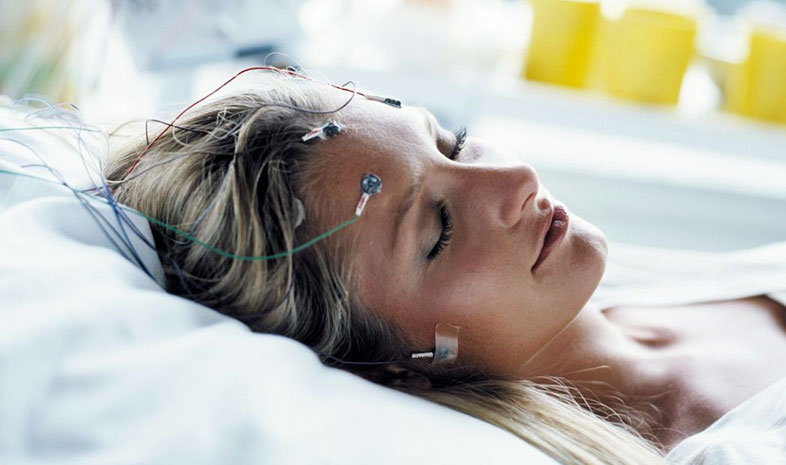
It is the place where all sleep-related data of the patient can be recorded and stored on a computer for later analysis. In a specially designed room with home-like comfort, the patient is monitored overnight while sleeping, and the entire process is recorded on camera. What is Done in the Sleep Laboratory? The following are recorded: Brain activity (EEG) Eye movements (EOG) Jaw muscle tension (chin EMG) Sleeping position Airflow through the nose while breathing Chest and abdominal movements during breathing Blood oxygen level Heart activity (ECG) Leg muscle movements (leg EMG) These recordings are later analyzed to evaluate the patient’s sleep structure. Sleep stages and architecture are determined. Breathing events are examined to see whether there are abnormalities such as reduced breathing or apnea. Additionally, oxygen level changes, arousal reactions, heart rhythm changes, and leg movements during sleep are identified one by one. The processed data are then reanalyzed by computer to determine: Sleep quality and adequacy Whether sleep is fragmented by wakefulness periods Presence, frequency, and duration of apneas or hypopneas In which position and sleep stage these events occur Oxygen desaturation (depth and duration) Relationship between heart rhythm changes, sleep stages, and abnormal breathing events Presence and frequency of leg movements during sleep Finally, a report is prepared to reveal whether the patient has a sleep-related disorder and its severity. Patients admitted to a sleep laboratory are usually those suspected of sleep apnea syndrome, which is characterized by snoring, pauses in breathing during sleep, and excessive daytime sleepiness. In addition, patients suspected of narcolepsy (falling asleep uncontrollably during the day) and, less commonly, patients suspected of periodic limb movement disorder are also monitored. Preparations Before Sleep Laboratory If patients are on sedative medications, they are advised to stop them about one week in advance. On the day of the study, they should shower, shave facial hair, and remove chest and leg hair. They should avoid alcohol, tea, coffee, carbonated drinks, and foods causing reflux (e.g., oranges, tangerines) from the afternoon onward. They should refrain from smoking at least 4 hours before the study. Patients should bring pajamas with both top and bottom. Treatment for Patients Diagnosed with Sleep Apnea The gold standard treatment for sleep apnea is positive airway pressure (PAP) devices. These include: CPAP: Continuous positive airway pressure BPAP: Higher pressure when inhaling, lower pressure when exhaling BPAP-ST: With trigger function for complete apnea events BPAP Auto SV (ASV): For Cheyne–Stokes breathing and variable breathing disorders Before treatment, patients undergo ENT examination to ensure airway openness. If the airway is obstructed, it is treated first. Then, the patient spends a second night in the sleep lab to determine which device and pressure setting best corrects the breathing disorder, oxygen drops, and sleep disturbances. A medical report is prepared for the appropriate device, and patients can obtain it through social security coverage. From then on, the patient must use the device every night. Who Should Apply to a Sleep Laboratory? Snorers Those observed to stop breathing during sleep Those with excessive daytime sleepiness or fatigue If the following are also present, suspicion increases: Obesity Night sweats Frequent urination at night Patients with hypertension, arrhythmia, heart failure, diabetes, COPD, or cerebrovascular disease are considered at risk and should definitely be evaluated for sleep apnea. If Sleep Apnea is Untreated, What Diseases Can Occur? A. Cardiovascular System Hypertension Ischemic heart disease Left heart failure Right heart failure Arrhythmias Sudden death B. Lungs Tendency to asthma C. Nervous System Cerebrovascular narrowing Excessive daytime sleepiness Morning headaches Sleep epilepsy Restless and poor-quality sleep D. Psychiatric Cognitive impairment Anxiety and depression E. Hormonal Decreased libido Sexual dysfunction F. Kidneys Nocturia (frequent urination at night) Protein leakage in urine G. Gastrointestinal Gastroesophageal reflux Other consequences: Blood disorders (polycythemia, reduced blood fluidity) Social impacts: decreased school/work performance, longer sick leave, hyperactivity in children, family/social problems (divorce, conflicts) Accidents (traffic, home, work) Untreated sleep apnea causes life-threatening and quality-of-life-reducing health problems.